Magazine

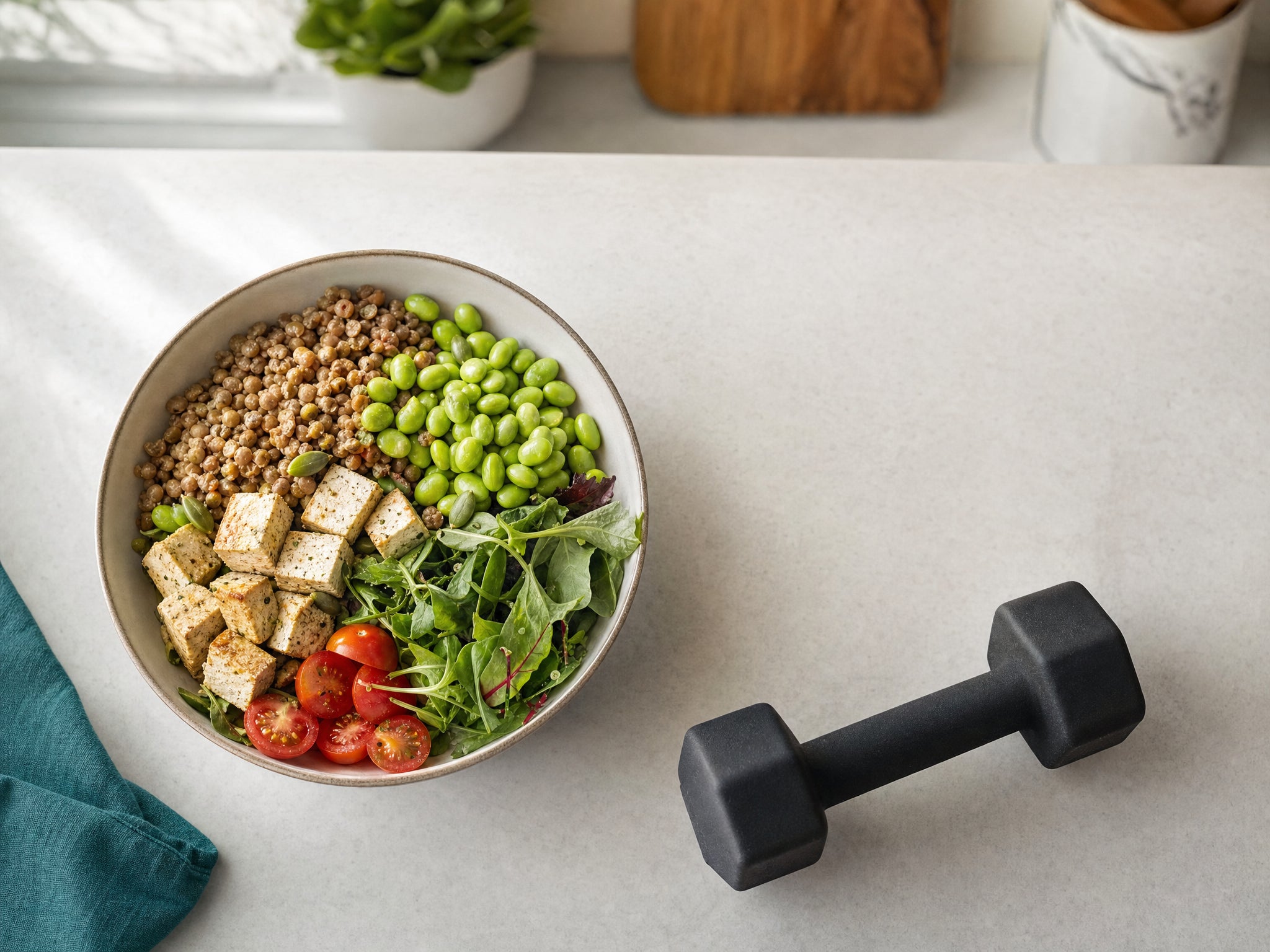
Veganer Sportler beim Krafttraining – pflanzliches Protein im Sport
  • by Florian Schäfer

Plant Protein in Sports: What 12-Week RCT Data Show on Strength, Endurance, and Muscle Growth

A 12-week RCT and two systematic reviews agree: at 1.6 g of protein per kg of body weight, muscle mass and strength gains are the same on a plant-based and an omnivorous diet. The real gaps sit elsewhere, with B12, iron, and creatine. Here is what the data actually show for plant-based athletes.

Read moreabout Plant Protein in Sports: What 12-Week RCT Data Show on Strength, Endurance, and Muscle Growth

Weißes Kreatin-Monohydrat-Pulver auf dunklem Schiefer mit grünen Pflanzenelementen, sauberes Produktfoto im SYNTYZE-Stil
  • by Florian Schäfer

Vegan Creatine: Why Vegans Benefit More

Vegans start with lower muscle creatine stores and benefit more from supplementation than omnivores. This article explains the mechanism, reviews current evidence, and gives practical dosing guidance.

Read moreabout Vegan Creatine: Why Vegans Benefit More

Person bereitet eine Mahlzeit mit pflanzlichen Proteinquellen vor – Hülsenfrüchte, grünes Gemüse und ein SYNTYZE Proteinpulver-Shaker auf einer hellen Küchenoberfläche
  • by Florian Schäfer

Nutrition Plan for Muscle Building: What Beginners Actually Need (and What They Don't)

Eating more isn't enough for muscle building – it's about the distribution. 1.6 to 2.0 g protein per kg per day, a moderate calorie surplus of 200–300 kcal, and carbs as training fuel. Here are the numbers from sports nutrition science, translated for beginners.

Read moreabout Nutrition Plan for Muscle Building: What Beginners Actually Need (and What They Don't)

Frau ab 50, athletisch, beim Krafttraining mit Kurzhanteln, dunkler Hintergrund mit Teal-Akzent
  • by Florian Schäfer

Sarcopenia: Why Your Protein Needs Increase with Age – and How You Can Counteract It

Sarcopenia isn't inevitable. How much protein you actually need as you age, why leucine is the deciding factor – and what this means for plant-based protein sources.

Read moreabout Sarcopenia: Why Your Protein Needs Increase with Age – and How You Can Counteract It

Protein-Mahlzeiten auf einem Küchentisch: Hülsenfrüchte, Tofu und ein Proteinshake auf hellem Hintergrund
  • by Florian Schäfer

How Much Protein Do You Actually Need? What the Meta-Analyses Show

1.6 g protein per kilogram – that's the number you see everywhere. What meta-analyses with 1,863 participants really show: who the plateau applies to, how to distribute your daily intake, and why age plays a bigger role than most people think.

Read moreabout How Much Protein Do You Actually Need? What the Meta-Analyses Show

Cremiger pflanzlicher Proteinshake im Glas neben aufgeschnittener gelber Erbse, grünen Erbsen und feinem weißem Enzympulver in einem Keramikschälchen auf hellgrauer Fläche
  • by Florian Schäfer

Protein Powder Bloating: The Digestive Mechanism Explained

Bloating after a protein shake isn't caused by protein itself – it's caused by undigested peptides that ferment in the colon. How digestive enzymes address this mechanism and what the current research shows.

Read moreabout Protein Powder Bloating: The Digestive Mechanism Explained

Schwarze Hantelstange auf einem Squat-Rack in einem dunklen Gym – Post-Workout-Setting
  • by Florian Schäfer

The Anabolic Window: Bigger Than 30 Minutes – What the Research Really Says

The 30-minute window is a myth. The post-workout window is real – and according to meta-analyses, much bigger than expected. What the research says about timing, dose, and the leucine threshold.

Read moreabout The Anabolic Window: Bigger Than 30 Minutes – What the Research Really Says

Aminosäureprofil-Vergleich: Erbsenprotein, Ackerbohnenprotein und Whey im Überblick – SYNTYZE Magazin
  • by Florian Schäfer

Pea Protein + Fava Bean Protein: Why the Combination Works Better

Pea protein has a gap: methionine. Fava bean protein doesn't fully close it, but broadens the IAA spectrum. What the research actually says — and why L-leucine is the decisive third building block.

Read moreabout Pea Protein + Fava Bean Protein: Why the Combination Works Better

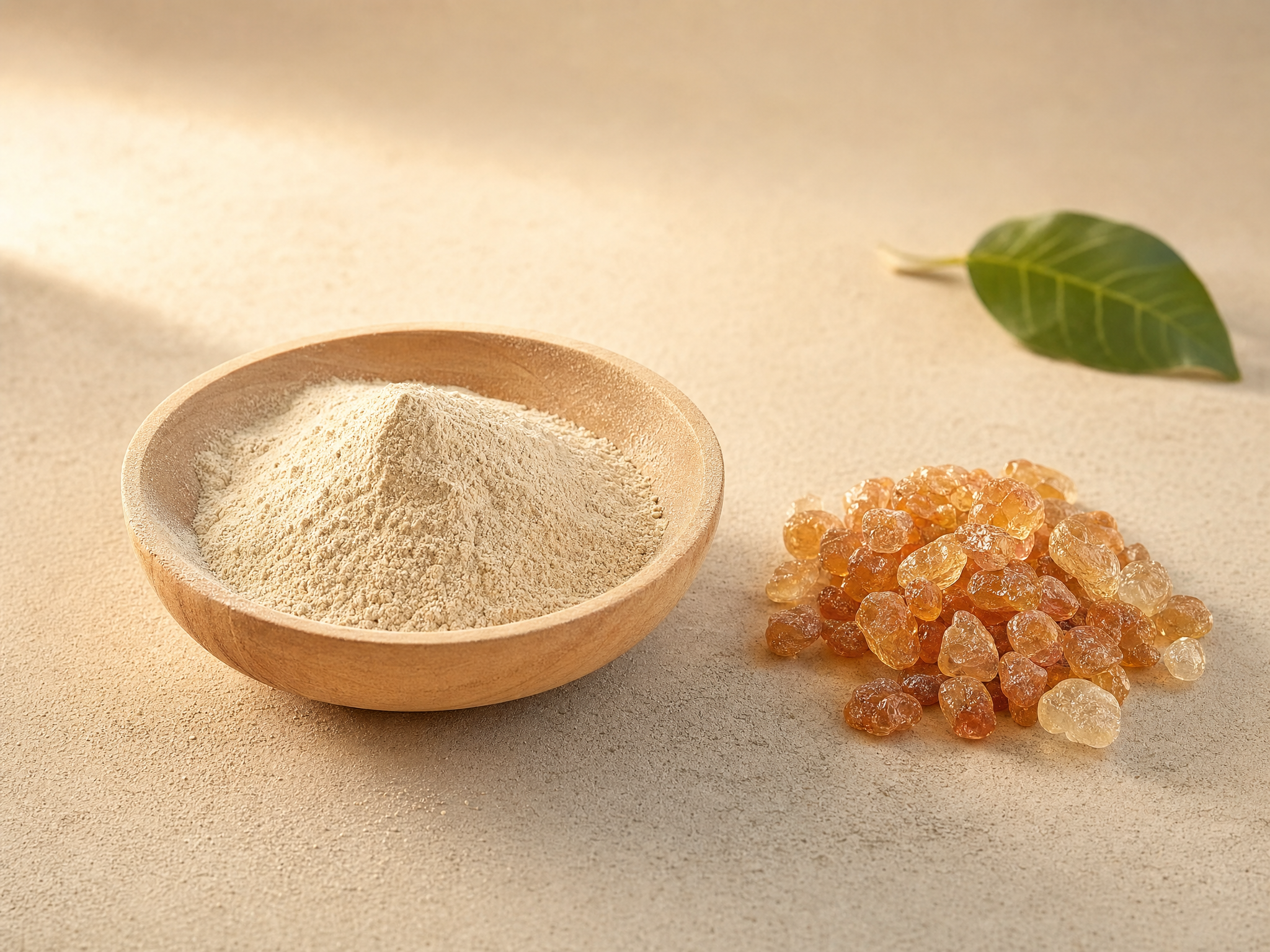
Baobab-Frucht und Akazienharz als natürliche Quellen löslicher Ballaststoffe
  • by Florian Schäfer

Not All Fibers Are Equal: What Fermentation Speed Means for Your Gut

Not all fibers behave the same. Why fermentation speed determines tolerability and what that means for your daily fiber intake.

Read moreabout Not All Fibers Are Equal: What Fermentation Speed Means for Your Gut

Your shake, just the way you like it!

3 varieties. Save in a bundle. 100-day money-back guarantee.

Choose your flavor