
Magazine

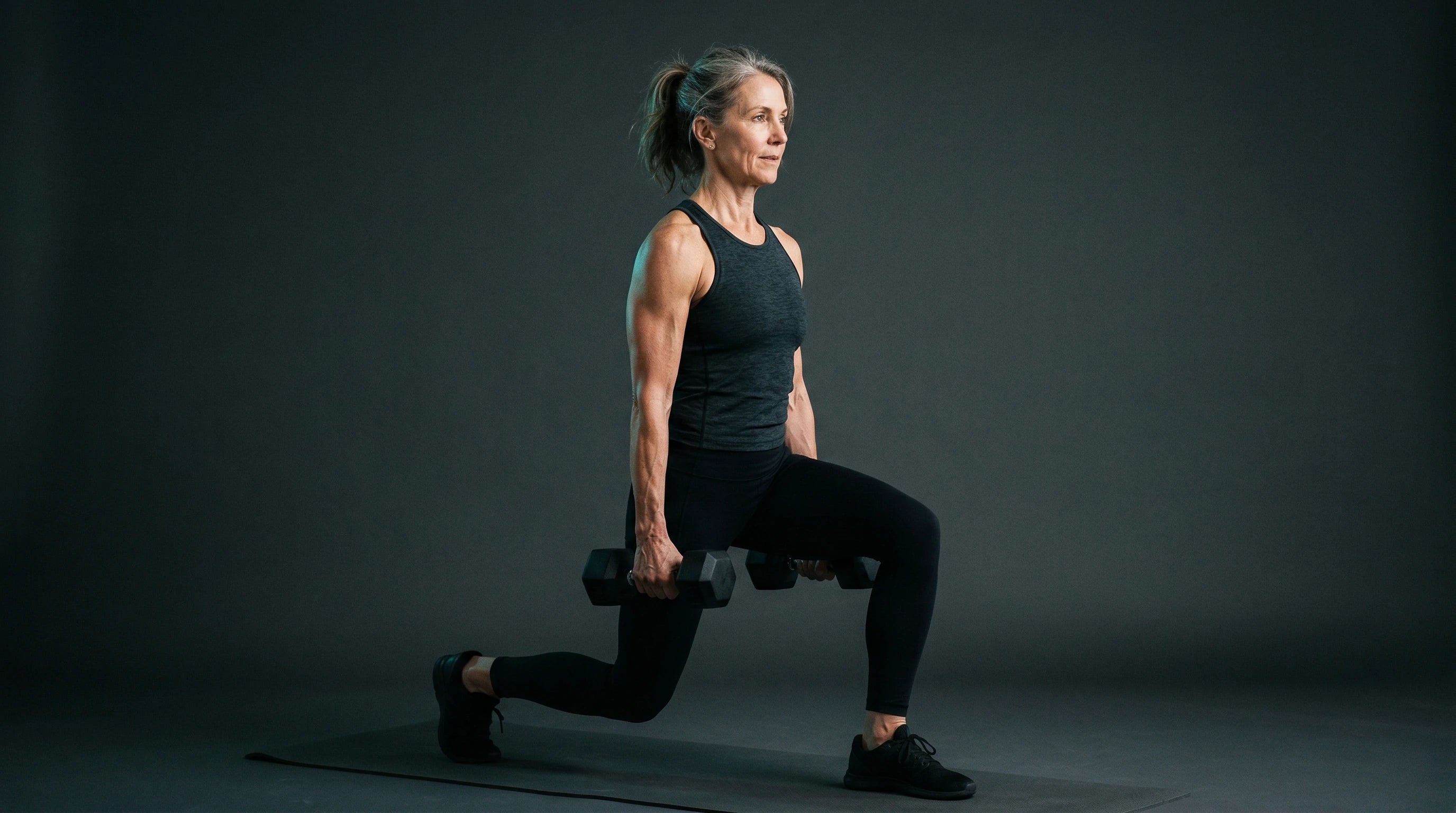
Frau ab 50, athletisch, beim Krafttraining mit Kurzhanteln, dunkler Hintergrund mit Teal-Akzent
  • by Florian Schäfer

Sarcopenia: Why Your Protein Needs Increase with Age – and How You Can Counteract It

Sarcopenia isn't inevitable. How much protein you actually need as you age, why leucine is the deciding factor – and what this means for plant-based protein sources.

Read moreabout Sarcopenia: Why Your Protein Needs Increase with Age – and How You Can Counteract It
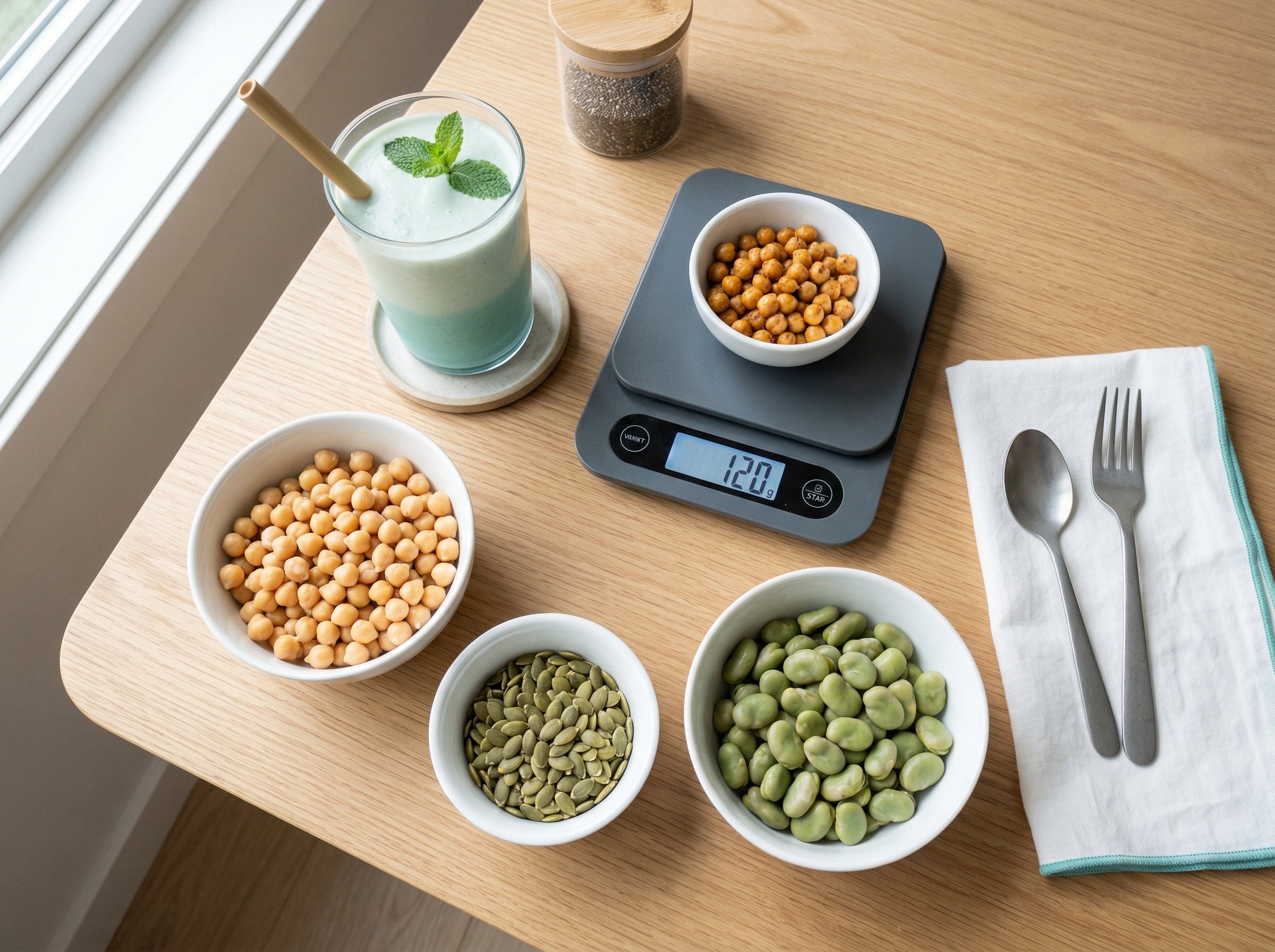
Protein-Mahlzeiten auf einem Küchentisch: Hülsenfrüchte, Tofu und ein Proteinshake auf hellem Hintergrund
  • by Florian Schäfer

How Much Protein Do You Actually Need? What the Meta-Analyses Show
1.6 g protein per kilogram – that's the number you see everywhere. What meta-analyses with 1,863 participants really show: who the plateau applies to, how to distribute your daily intake, and why age plays a bigger role than most people think.

Read moreabout How Much Protein Do You Actually Need? What the Meta-Analyses Show

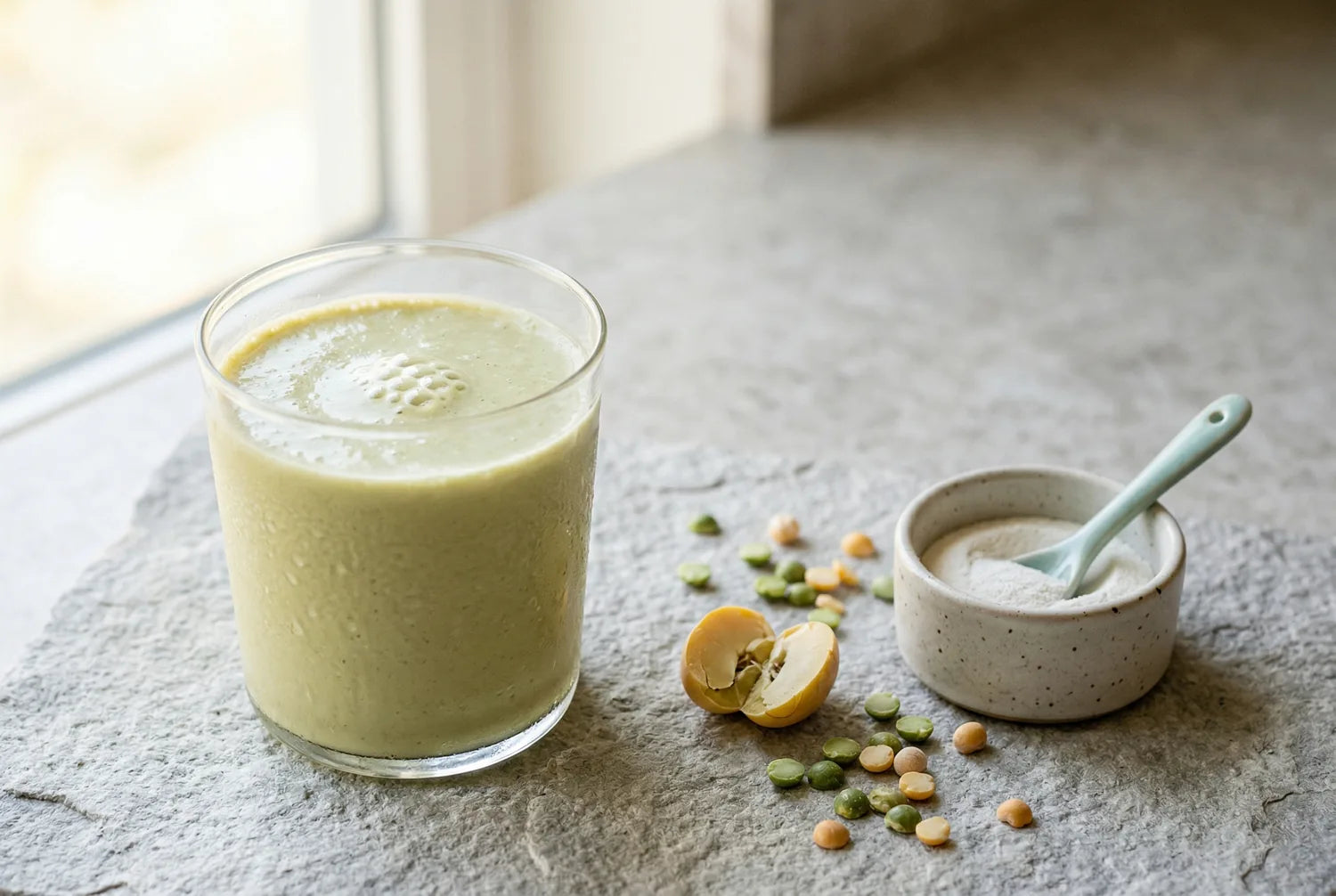
Cremiger pflanzlicher Proteinshake im Glas neben aufgeschnittener gelber Erbse, grünen Erbsen und feinem weißem Enzympulver in einem Keramikschälchen auf hellgrauer Fläche
  • by Florian Schäfer

Protein Powder Bloating: The Digestive Mechanism Explained
Bloating after a protein shake is almost never caused by the protein itself, but by multiple sugars like raffinose and stachyose that ferment in the colon. Why pure isolates are the key lever and what role the enzymes actually play.

Read moreabout Protein Powder Bloating: The Digestive Mechanism Explained

Schwarze Hantelstange auf einem Squat-Rack in einem dunklen Gym – Post-Workout-Setting
  • by Florian Schäfer

The Anabolic Window: Bigger Than 30 Minutes – What the Research Really Says
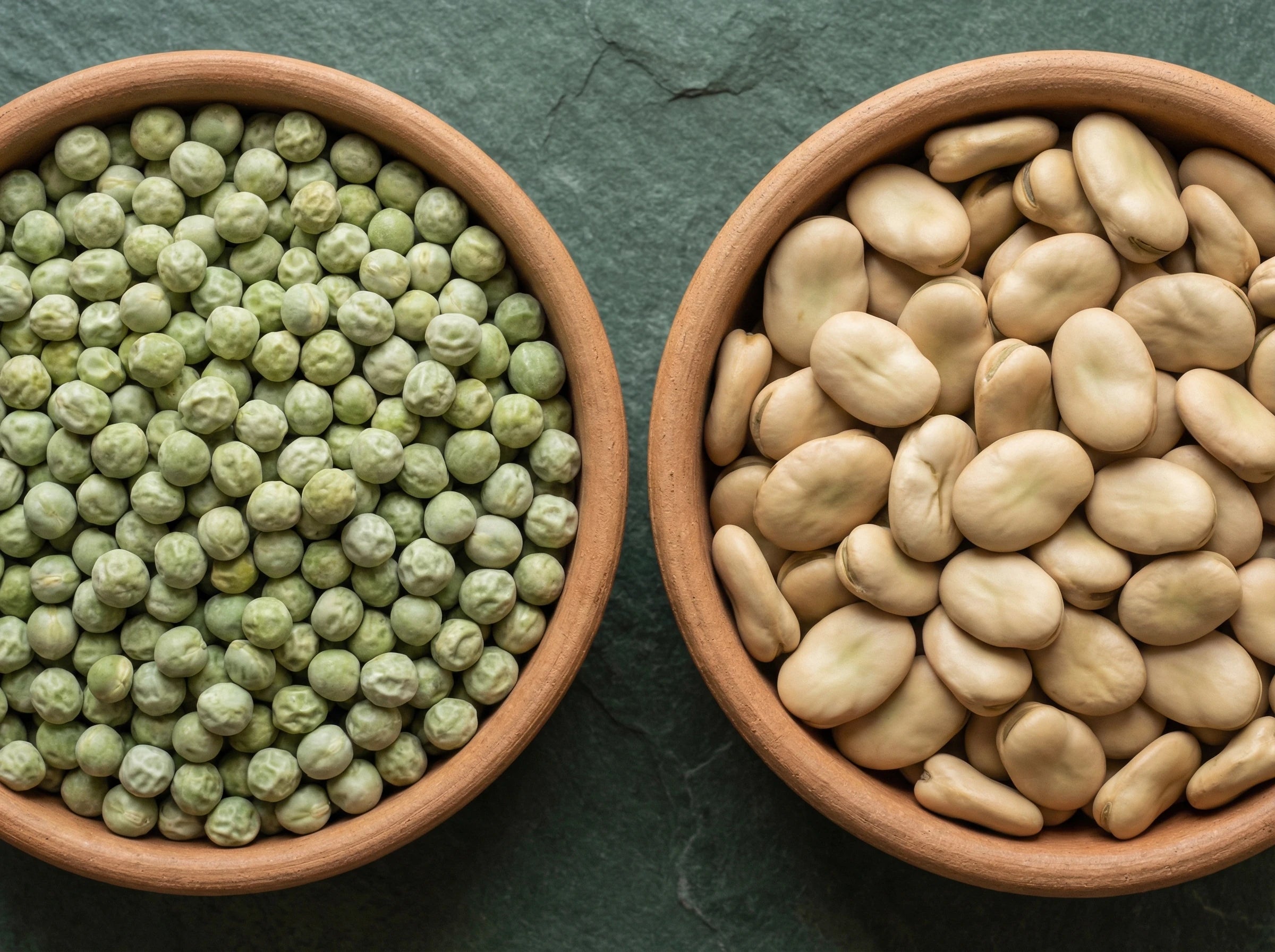
The 30-minute window is a myth. The post-workout window is real – and according to meta-analyses, much bigger than expected. What the research says about timing, dose, and the leucine threshold.

Read moreabout The Anabolic Window: Bigger Than 30 Minutes – What the Research Really Says

Aminosäureprofil-Vergleich: Erbsenprotein, Ackerbohnenprotein und Whey im Überblick – SYNTYZE Magazin
  • by Florian Schäfer

Pea Protein + Fava Bean Protein: Why the Combination Works Better
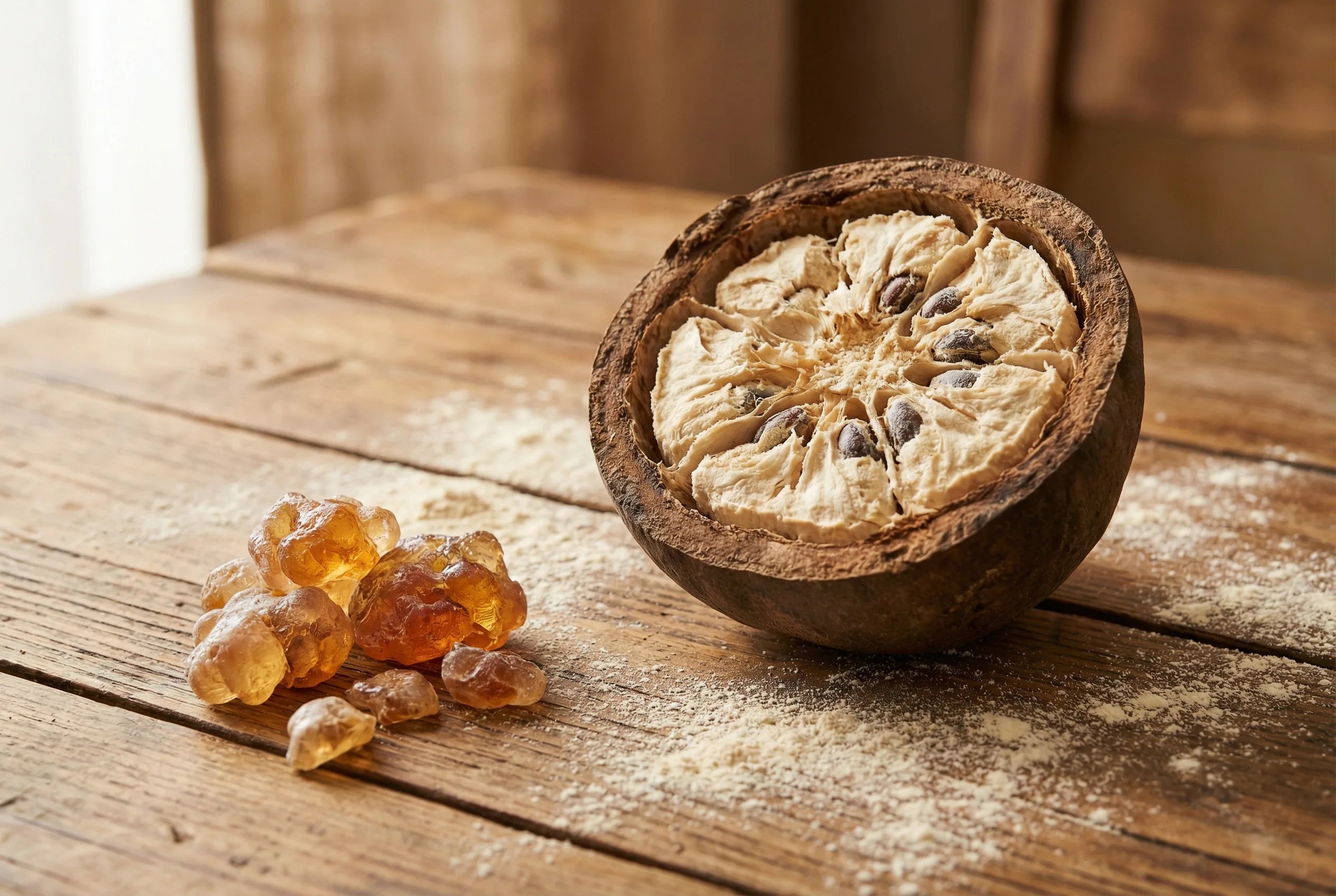
Pea protein has a gap: methionine. Fava bean protein doesn't fully close it, but broadens the IAA spectrum. What the research actually says — and why L-leucine is the decisive third building block.

Read moreabout Pea Protein + Fava Bean Protein: Why the Combination Works Better

Baobab-Frucht und Akazienharz als natürliche Quellen löslicher Ballaststoffe
  • by Florian Schäfer

Not All Fibers Are Equal: What Fermentation Speed Means for Your Gut
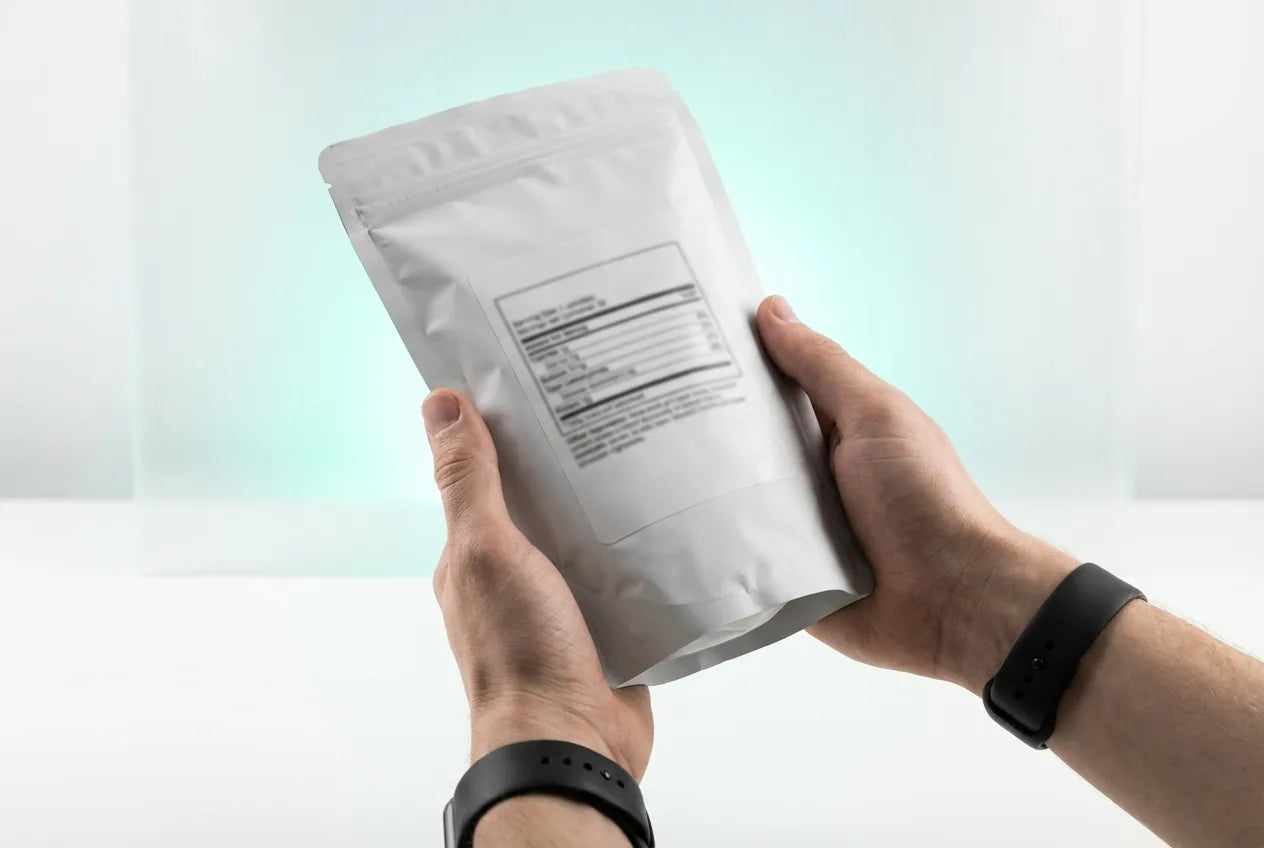
Not all fibers behave the same. Why fermentation speed determines tolerability and what that means for your daily fiber intake.

Read moreabout Not All Fibers Are Equal: What Fermentation Speed Means for Your Gut

Rückseite einer Proteinpulver-Verpackung mit Zutatenliste und Nährwerttabelle, Nahaufnahme auf weißem Hintergrund
  • by Florian Schäfer

How to Read Protein Powder Labels: Ingredient List and Nutrition Facts
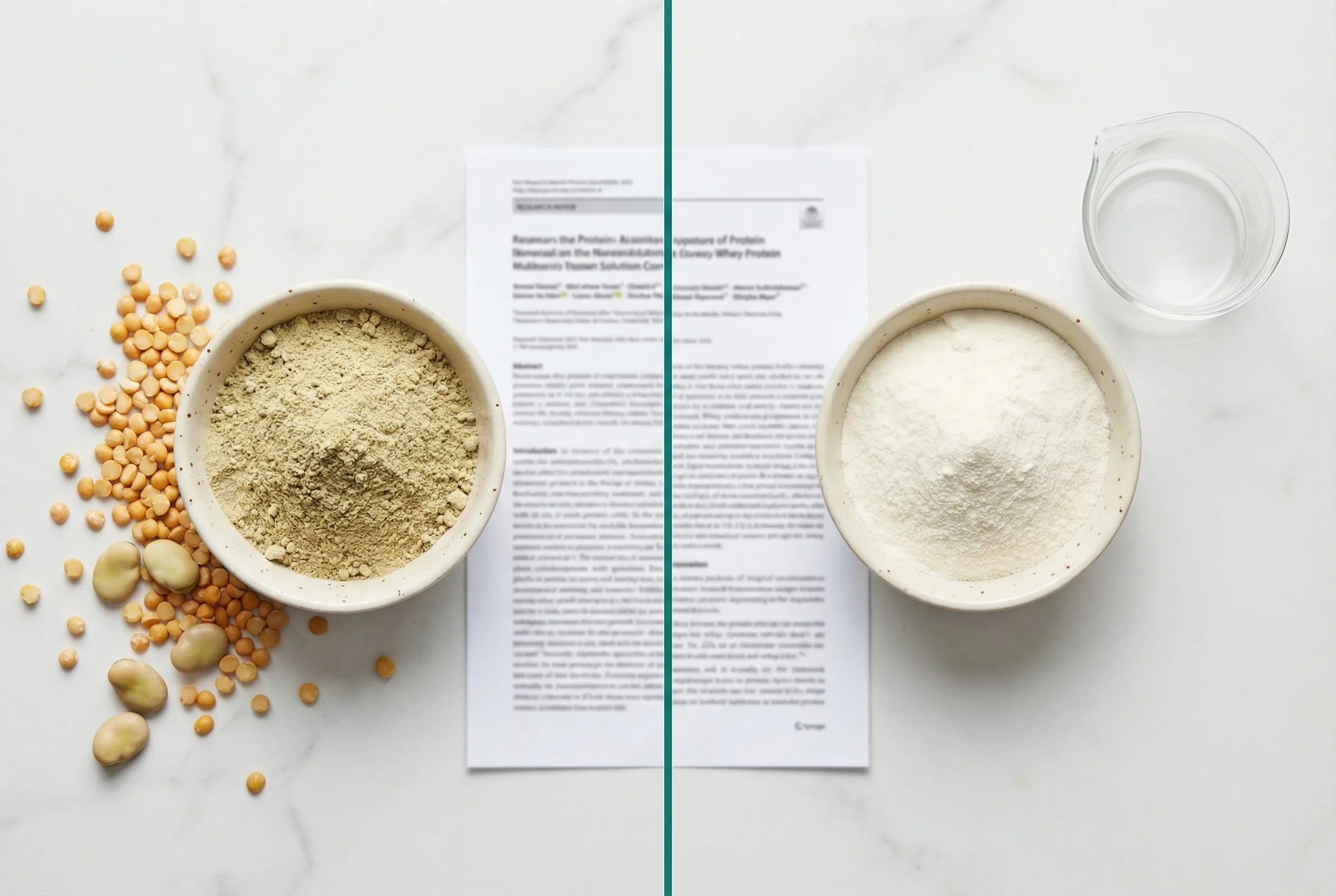
90% of protein powders don't disclose where their main ingredient comes from. The back of every package is regulated by law. In two minutes you can read and evaluate: ingredient list order, E-numbers, nutrition facts, and the one leucine value that never appears on the label.

Read moreabout How to Read Protein Powder Labels: Ingredient List and Nutrition Facts

Zwei Schalen mit pflanzlichem Proteinpulver und Whey-Pulver auf weißer Marmoroberflaeche, gelbe Erbsen und Ackerbohnen links, Forschungspapier in der Mitte
  • by Florian Schäfer

Plant Protein vs. Whey: What Does the Science Really Say?
Plant protein builds less muscle than whey? Current studies paint a different picture. At sufficient doses with optimized leucine content, RCTs and meta-analyses show comparable results for muscle strength and lean mass. Why formulation matters more than source.

Read moreabout Plant Protein vs. Whey: What Does the Science Really Say?

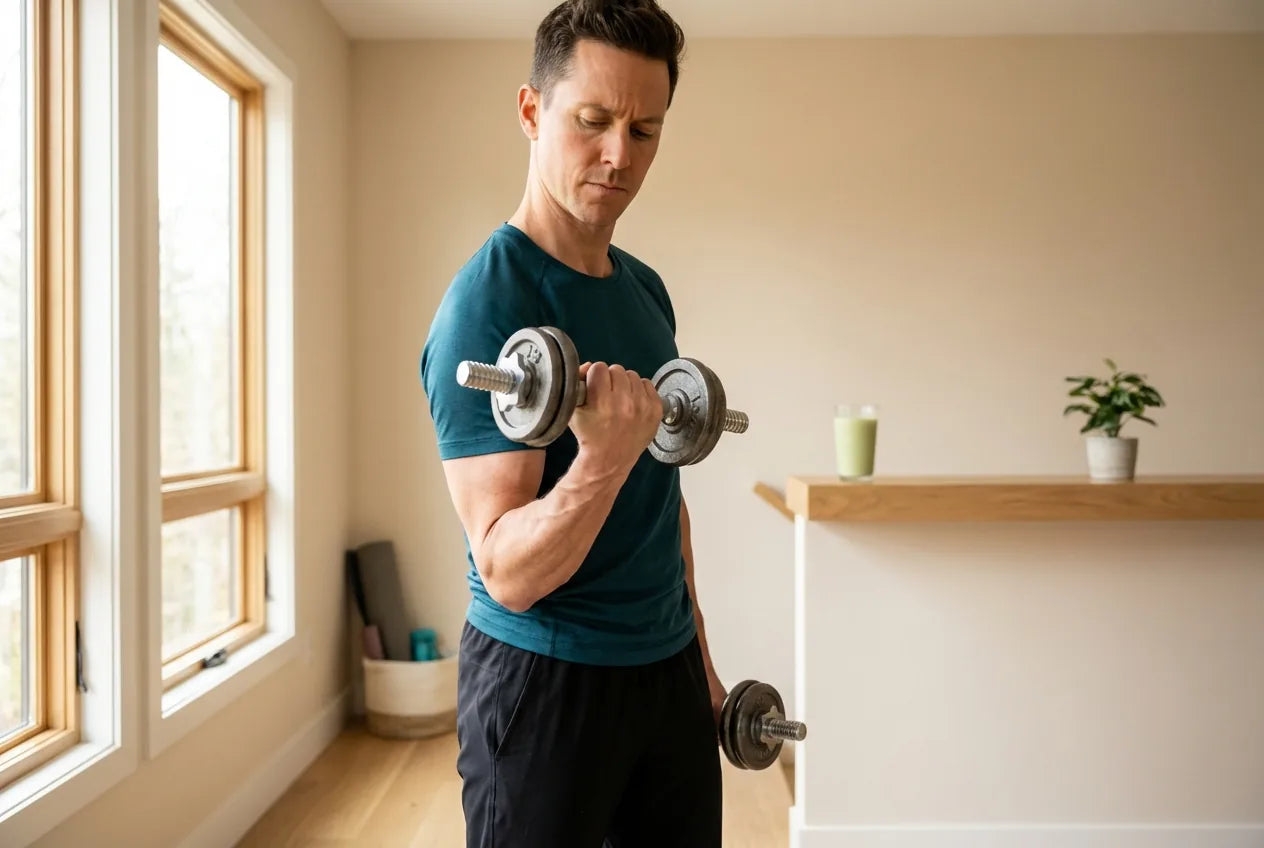
Person beim Bizepscurl mit Kurzhanteln in einem hellen Home-Gym mit natürlichem Licht
  • by Florian Schäfer

GLP-1 Medications: Losing Weight, but at What Cost?

GLP-1 drugs like Ozempic and Wegovy work for weight loss. But up to 45% of that loss can be muscle mass. Protein (1.2-1.6 g/kg) and resistance training are the two levers that make the difference. Here's what the research shows.

Read moreabout GLP-1 Medications: Losing Weight, but at What Cost?