
Magazine

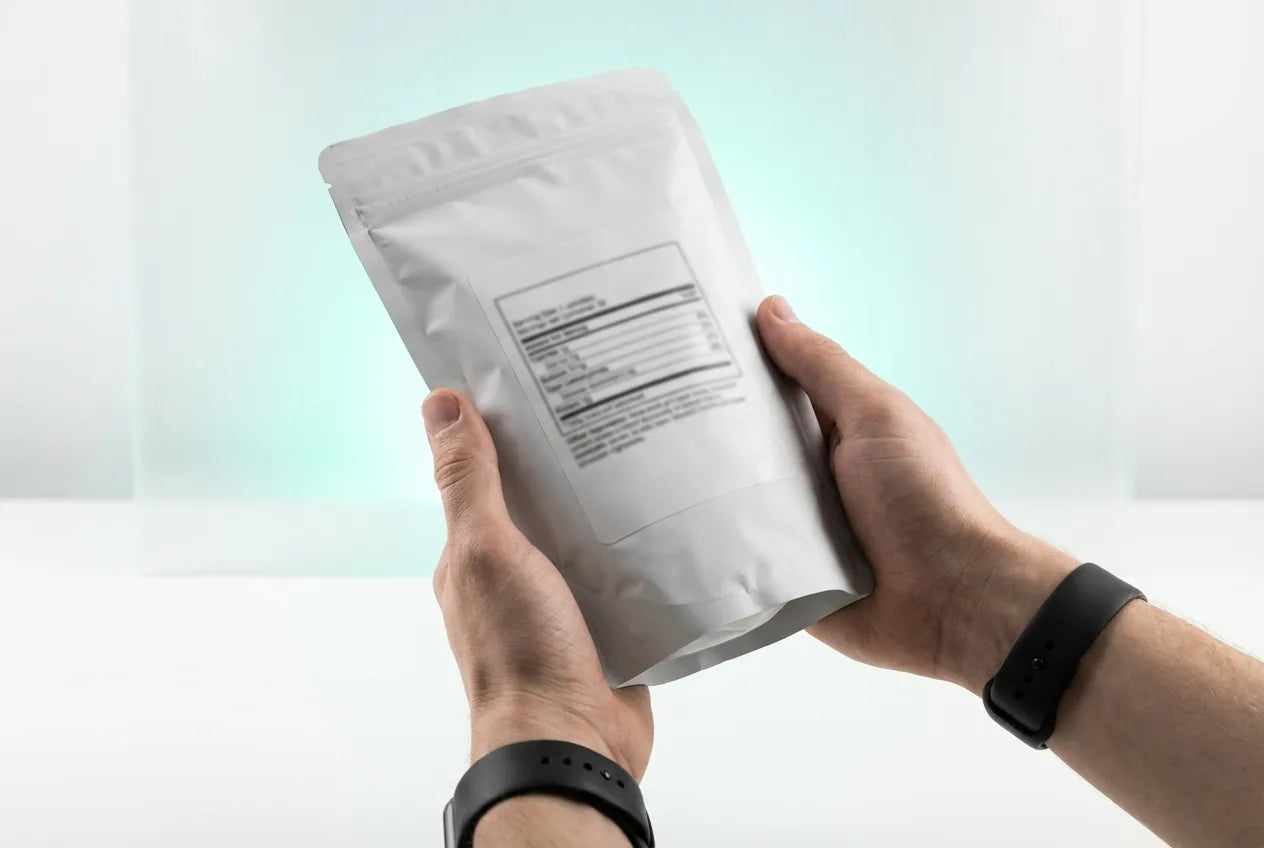
Rückseite einer Proteinpulver-Verpackung mit Zutatenliste und Nährwerttabelle, Nahaufnahme auf weißem Hintergrund
  • by Florian Schäfer

How to Read Protein Powder Labels: Ingredient List and Nutrition Facts
90% of protein powders don't disclose where their main ingredient comes from. The back of every package is regulated by law. In two minutes you can read and evaluate: ingredient list order, E-numbers, nutrition facts, and the one leucine value that never appears on the label.

Read moreabout How to Read Protein Powder Labels: Ingredient List and Nutrition Facts

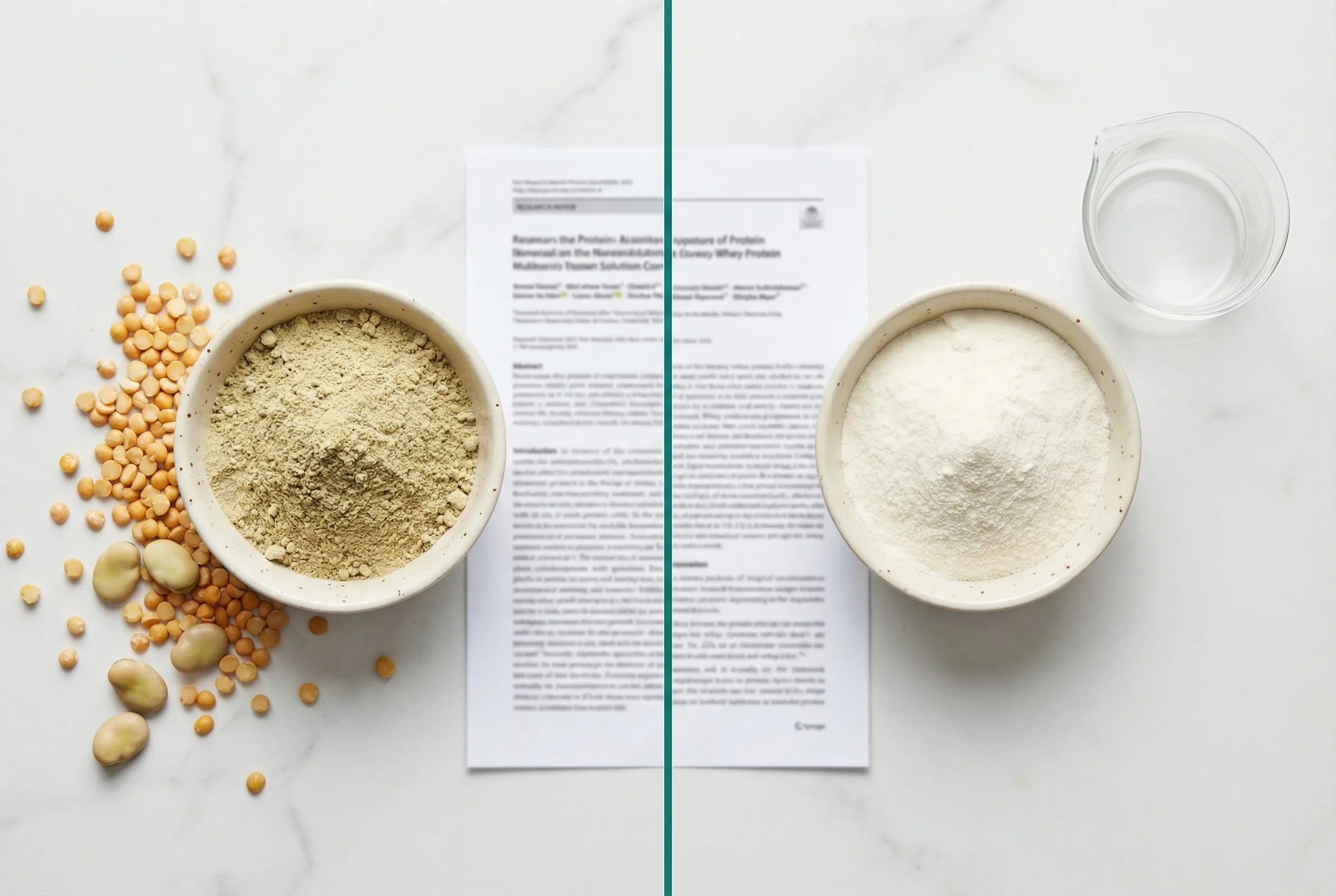
Zwei Schalen mit pflanzlichem Proteinpulver und Whey-Pulver auf weißer Marmoroberflaeche, gelbe Erbsen und Ackerbohnen links, Forschungspapier in der Mitte
  • by Florian Schäfer

Plant Protein vs. Whey: What Does the Science Really Say?
Plant protein builds less muscle than whey? Current studies paint a different picture. At sufficient doses with optimized leucine content, RCTs and meta-analyses show comparable results for muscle strength and lean mass. Why formulation matters more than source.

Read moreabout Plant Protein vs. Whey: What Does the Science Really Say?

Person beim Bizepscurl mit Kurzhanteln in einem hellen Home-Gym mit natürlichem Licht
  • by Florian Schäfer

GLP-1 Medications: Losing Weight, but at What Cost?
GLP-1 drugs like Ozempic and Wegovy work for weight loss. But up to 45% of that loss can be muscle mass. Protein (1.2-1.6 g/kg) and resistance training are the two levers that make the difference. Here's what the research shows.

Read moreabout GLP-1 Medications: Losing Weight, but at What Cost?

Schüssel mit Haferflocken, Beeren und Hülsenfrüchten auf einem Holztisch, warmes Licht
  • by Florian Schäfer

Fibermaxxing: What the Fiber Trend Means for Protein Users
95% of people don't eat enough fiber. Fibermaxxing wants to change that. But how does this trend fit your protein shake? We look at what the research says and how protein and fiber work together.

Read moreabout Fibermaxxing: What the Fiber Trend Means for Protein Users

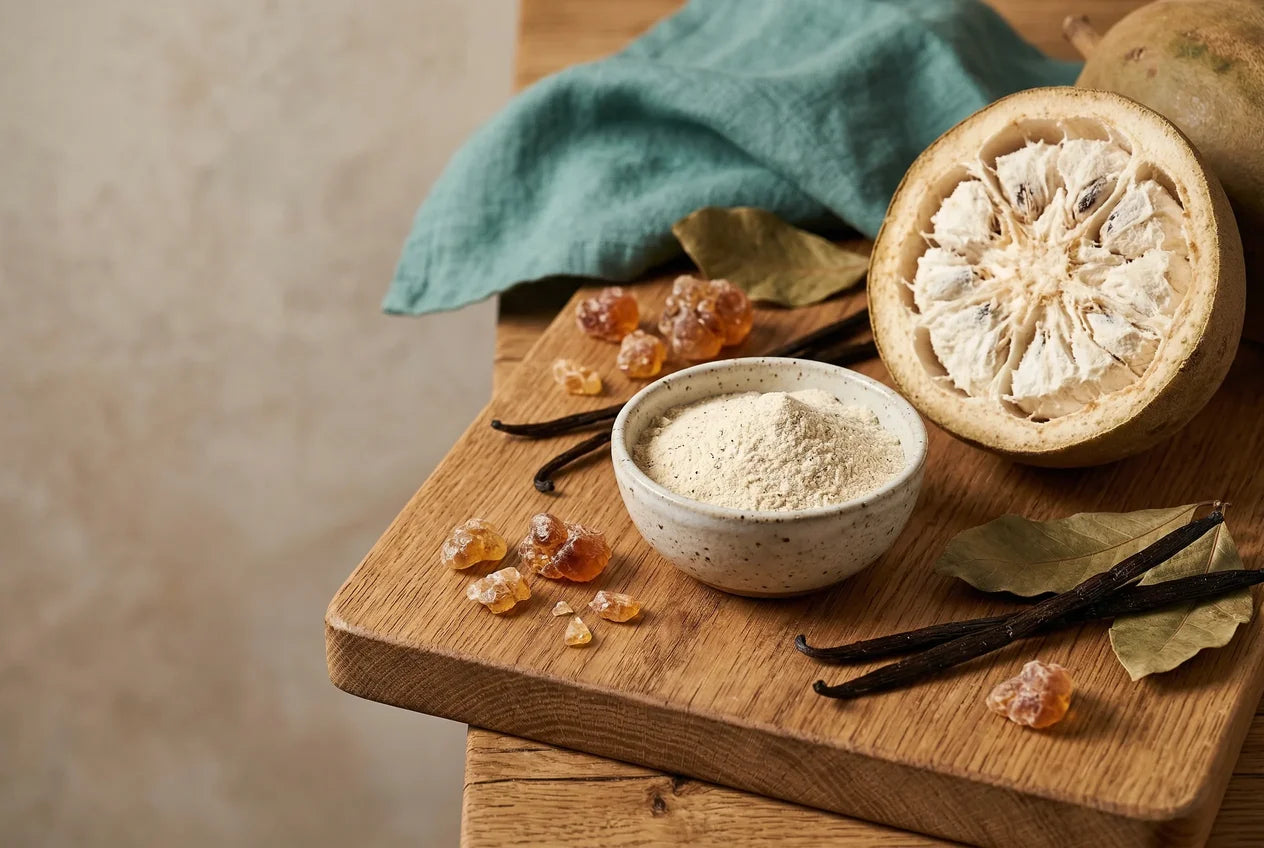
Aufgeschnittene Baobab-Frucht mit weißem Fruchtpulver, Akaziengummi-Stücke und pflanzliches Proteinpulver in Keramikschale auf Holzbrett, Vanilleschoten daneben, türkisfarbenes Leinentuch im Hintergrund
  • by Florian Schäfer

Protein Powder Without Artificial Sweeteners: What You Should Know
Nine out of ten protein powders contain sucralose, aspartame, or acesulfame-K. Research shows: probably harmless, but not proven safe. What are the alternatives, and can you skip sweeteners entirely?

Read moreabout Protein Powder Without Artificial Sweeteners: What You Should Know

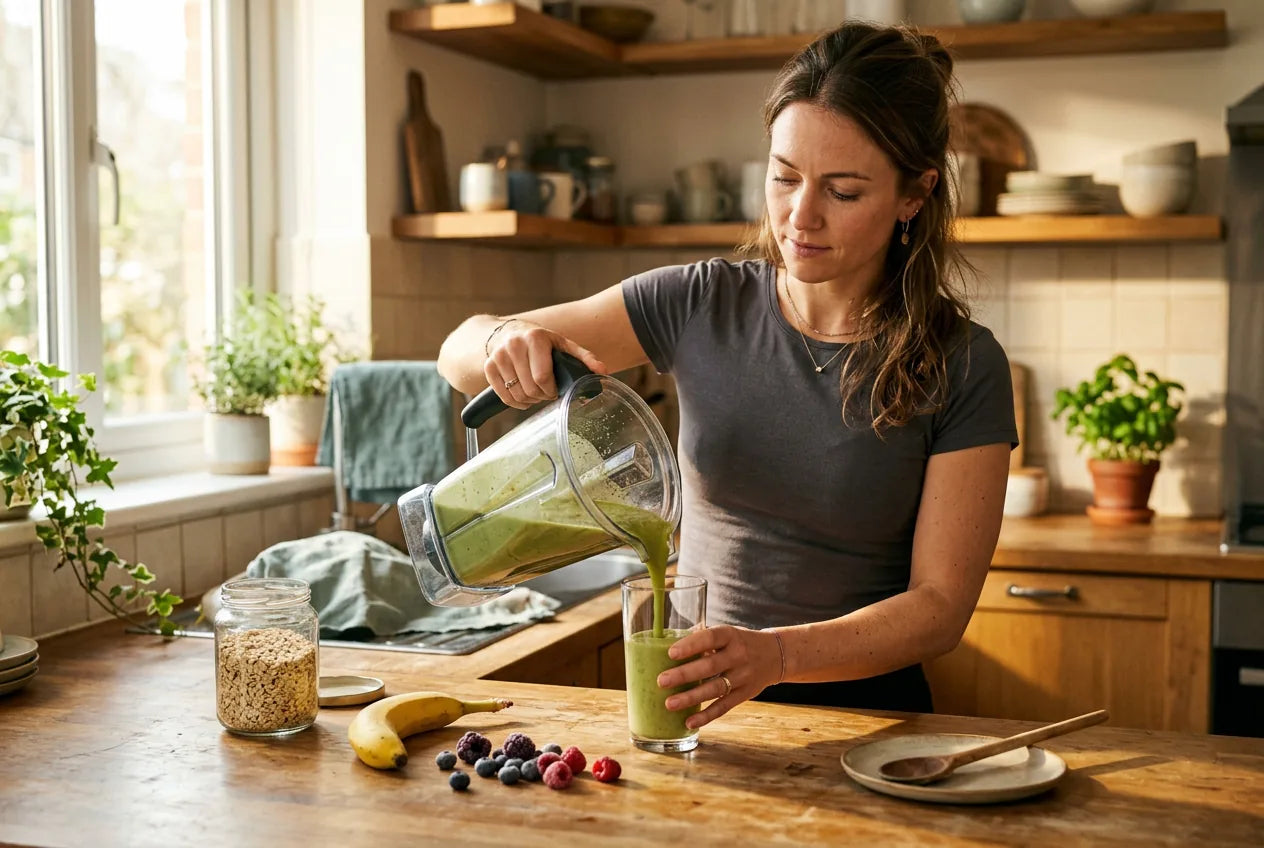
Frau bereitet in einer hellen Küche einen grünen Proteinshake mit pflanzlichem Proteinpulver zu, Morgenlicht auf Holzarbeitsplatte mit Banane und Beeren
  • by Florian Schäfer

Can You Lose Weight with Plant-Based Protein Powder?
1.6 kilograms. That's how much more weight people lose in trials when they increase their protein intake. The meta-analysis covers 37 RCTs. But does it matter whether the protein comes from whey or peas? The answer involves thermogenesis, satiety hormones, and fiber.

Read moreabout Can You Lose Weight with Plant-Based Protein Powder?

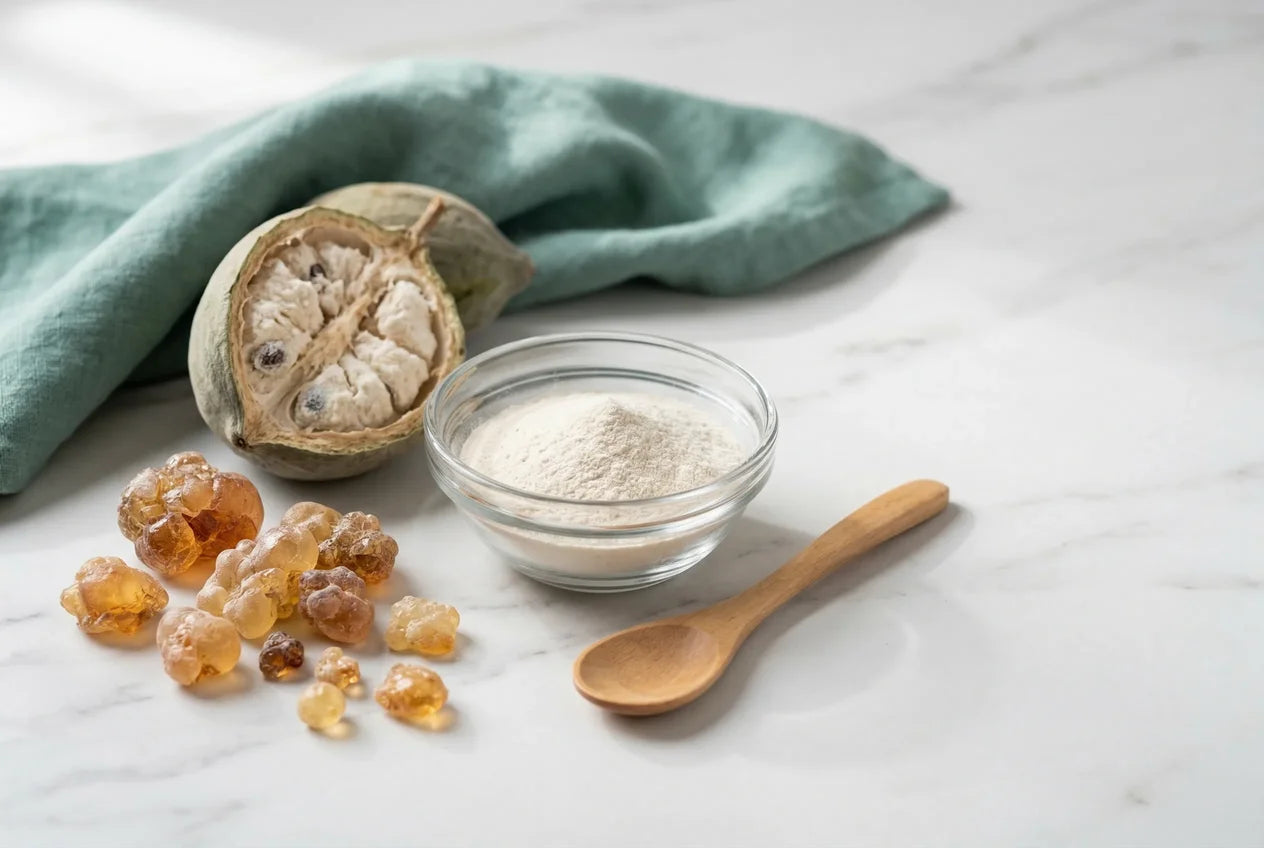
Akaziengummi-Stücke und aufgeschnittene Baobab-Frucht auf Marmorflaeche, Glasschale mit löslichem Ballaststoffpulver in der Mitte, Holzlöffel daneben, türkisfarbenes Leinentuch im Hintergrund
  • by Florian Schäfer

The Forgotten Ingredient: Fiber in Protein Powder
Fiber in protein powder is rare. Not because it doesn't work, but because formulation is technically challenging. Modern soluble fibers solve the problem.

Read moreabout The Forgotten Ingredient: Fiber in Protein Powder

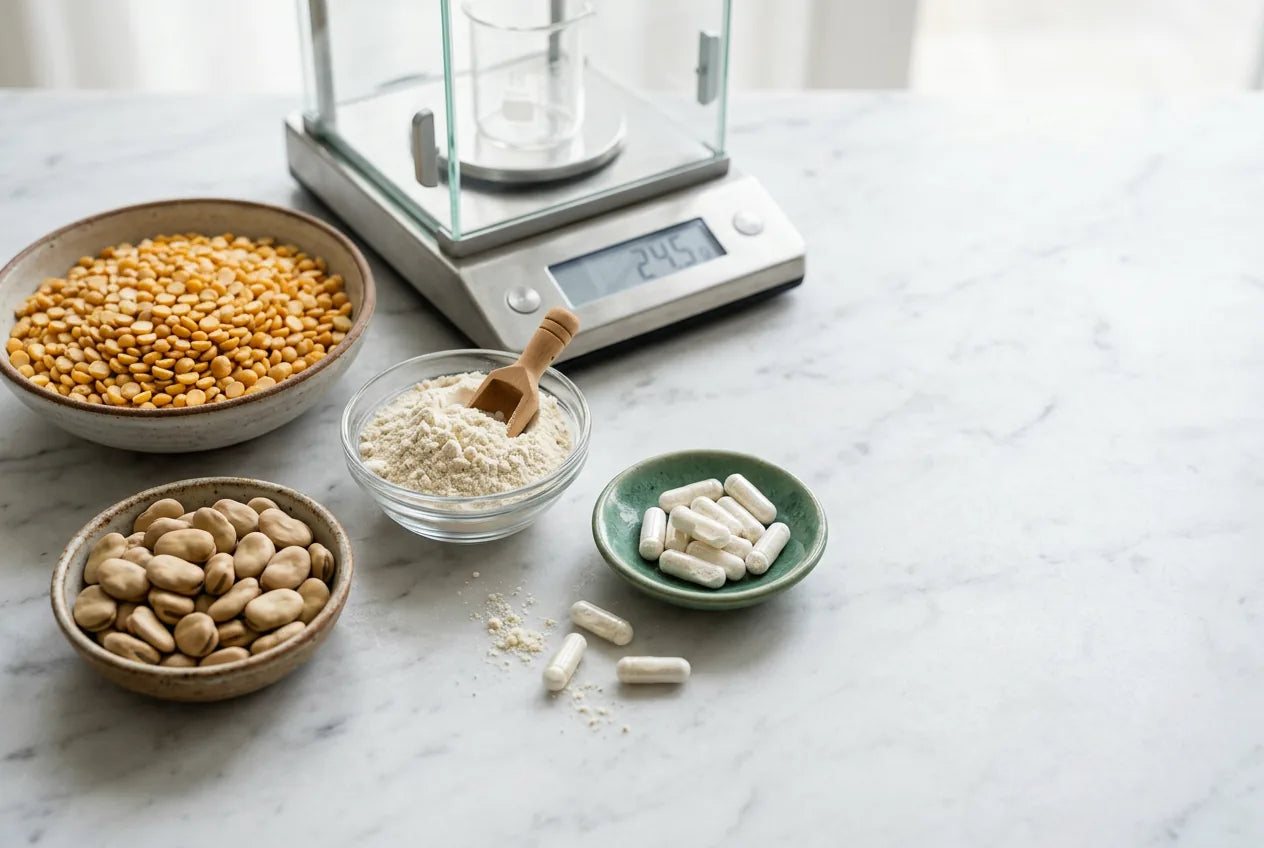
Präzisionswaage mit pflanzlichem Proteinpulver auf weißer Marmorflaeche, gelbe Erbsen und Ackerbohnen drumherum, Erlenmeyerkolben mit türkisfarbener Flüssigkeit im Hintergrund
  • by Florian Schäfer

Why a 70-Year-Old Rating System Underestimates Plant Proteins

A 70-year-old rating system methodically favors animal proteins. But the latest research shows: in real-world training with sufficient protein and leucine, plant-based blends are practically equivalent. Why the measurement method is the biggest problem, not the protein source itself.

Read moreabout Why a 70-Year-Old Rating System Underestimates Plant Proteins