Magazine

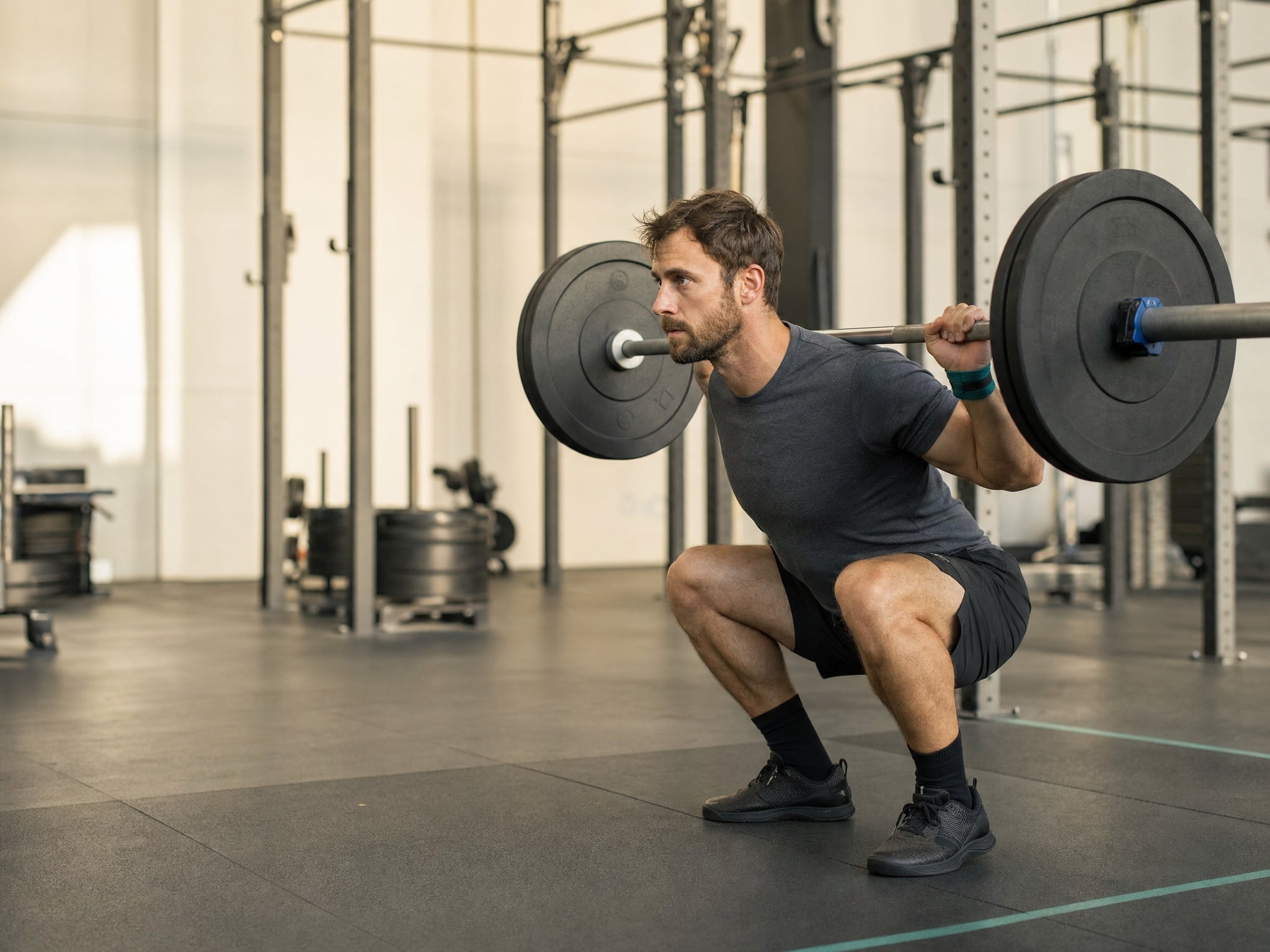
Athletische Person in fokussierter Pose neben olympischer Langhantel mit mittelgroßen Scheiben in einem hellen, minimalistischen Gym-Studio, weiches Tageslicht von der Seite, Konzentration vor dem nächsten Arbeitssatz
  • by Florian Schäfer

Progressive Overload: Why Your Training Stalls Without It

Progressive overload is more than just adding weight. Research recognises several equivalent progression pathways: load, repetitions and proximity to failure. Schoenfeld 2017, Robinson 2024, Plotkin 2022, Chaves 2024 and Roberts 2023 explain why weekly volume is the overarching variable and how to progress cleanly by experience level.

Read moreabout Progressive Overload: Why Your Training Stalls Without It

Athletische Person mit Langhantel im hellen Gym-Studio, weiches Tageslicht von der Seite, fokussierte Konzentration vor dem nächsten Satz
  • by Florian Schäfer

Training Frequency for Muscle Building: How Often Per Week Should You Hit Each Muscle Group?

Once, twice or three times per week per muscle group? What four meta-analyses from the Schoenfeld group and Grgic 2018 reveal about training frequency for muscle building, why weekly volume is the real lever and which frequency actually fits each experience level.

Read moreabout Training Frequency for Muscle Building: How Often Per Week Should You Hit Each Muscle Group?

Person an Klimmzugstange mit Front Lever Hold im Park, natürliches Tageslicht, Holzboden im Vordergrund
  • by Florian Schäfer

Calisthenics Nutrition: How Much Plant Protein Do You Actually Need?

Calisthenics athletes need less protein because they only train with bodyweight? Not true. How much plant protein you actually need for serious skill sessions, why the 2.5 g leucine-per-meal threshold matters even without barbells, and when extra carbohydrates really make a difference.

Read moreabout Calisthenics Nutrition: How Much Plant Protein Do You Actually Need?

Bunte Schale mit Hülsenfrüchten, Walnüssen und Brokkoli auf hellem Holz, daneben Reagenzglas und ein Notizbuch
  • by Florian Schäfer

Micronutrients for Vegan Athletes: What's Really Missing and How to Prevent Gaps

Vegan athletes combine two risk profiles: higher micronutrient demand from training plus structurally lower intake of B12, iron, zinc, and omega-3. Which values are truly critical, what the studies show about deficiency rates and performance impact, which blood tests are worth it, and where supplementation makes sense – without taking everything blindly.

Read moreabout Micronutrients for Vegan Athletes: What's Really Missing and How to Prevent Gaps

Veganer Sportler beim Krafttraining – pflanzliches Protein im Sport
  • by Florian Schäfer

Plant Protein in Sports: What 12-Week RCT Data Show on Strength, Endurance, and Muscle Growth

A 12-week RCT and two systematic reviews agree: at 1.6 g of protein per kg of body weight, muscle mass and strength gains are the same on a plant-based and an omnivorous diet. The real gaps sit elsewhere, with B12, iron, and creatine. Here is what the data actually show for plant-based athletes.

Read moreabout Plant Protein in Sports: What 12-Week RCT Data Show on Strength, Endurance, and Muscle Growth

Weißes Kreatin-Monohydrat-Pulver auf dunklem Schiefer mit grünen Pflanzenelementen, sauberes Produktfoto im SYNTYZE-Stil
  • by Florian Schäfer

Vegan Creatine: Why Vegans Benefit More

Vegans start with lower muscle creatine stores and benefit more from supplementation than omnivores. This article explains the mechanism, reviews current evidence, and gives practical dosing guidance.

Read moreabout Vegan Creatine: Why Vegans Benefit More

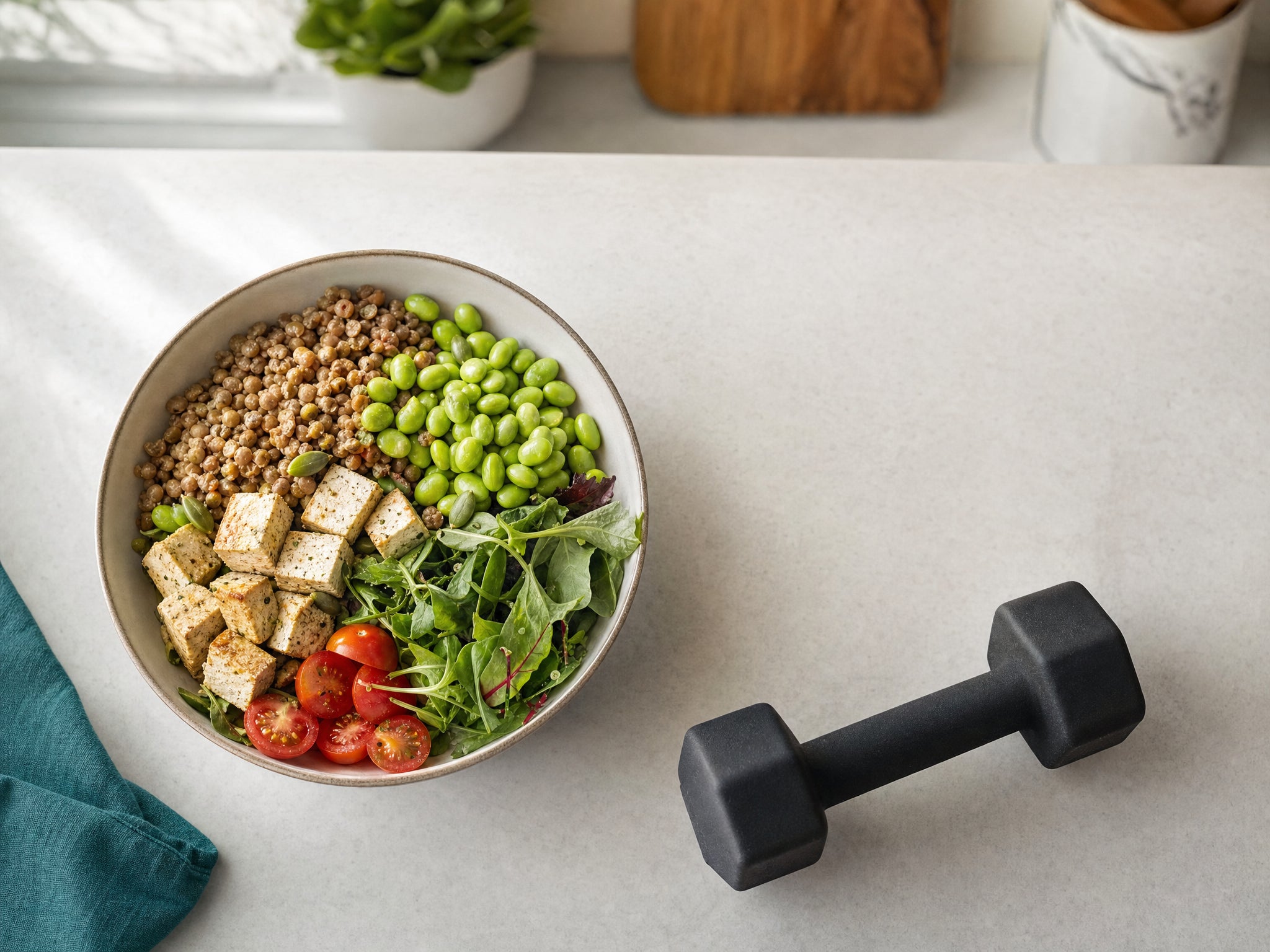
Person bereitet eine Mahlzeit mit pflanzlichen Proteinquellen vor – Hülsenfrüchte, grünes Gemüse und ein SYNTYZE Proteinpulver-Shaker auf einer hellen Küchenoberfläche
  • by Florian Schäfer

Nutrition Plan for Muscle Building: What Beginners Actually Need (and What They Don't)

Eating more isn't enough for muscle building – it's about the distribution. 1.6 to 2.0 g protein per kg per day, a moderate calorie surplus of 200–300 kcal, and carbs as training fuel. Here are the numbers from sports nutrition science, translated for beginners.

Read moreabout Nutrition Plan for Muscle Building: What Beginners Actually Need (and What They Don't)

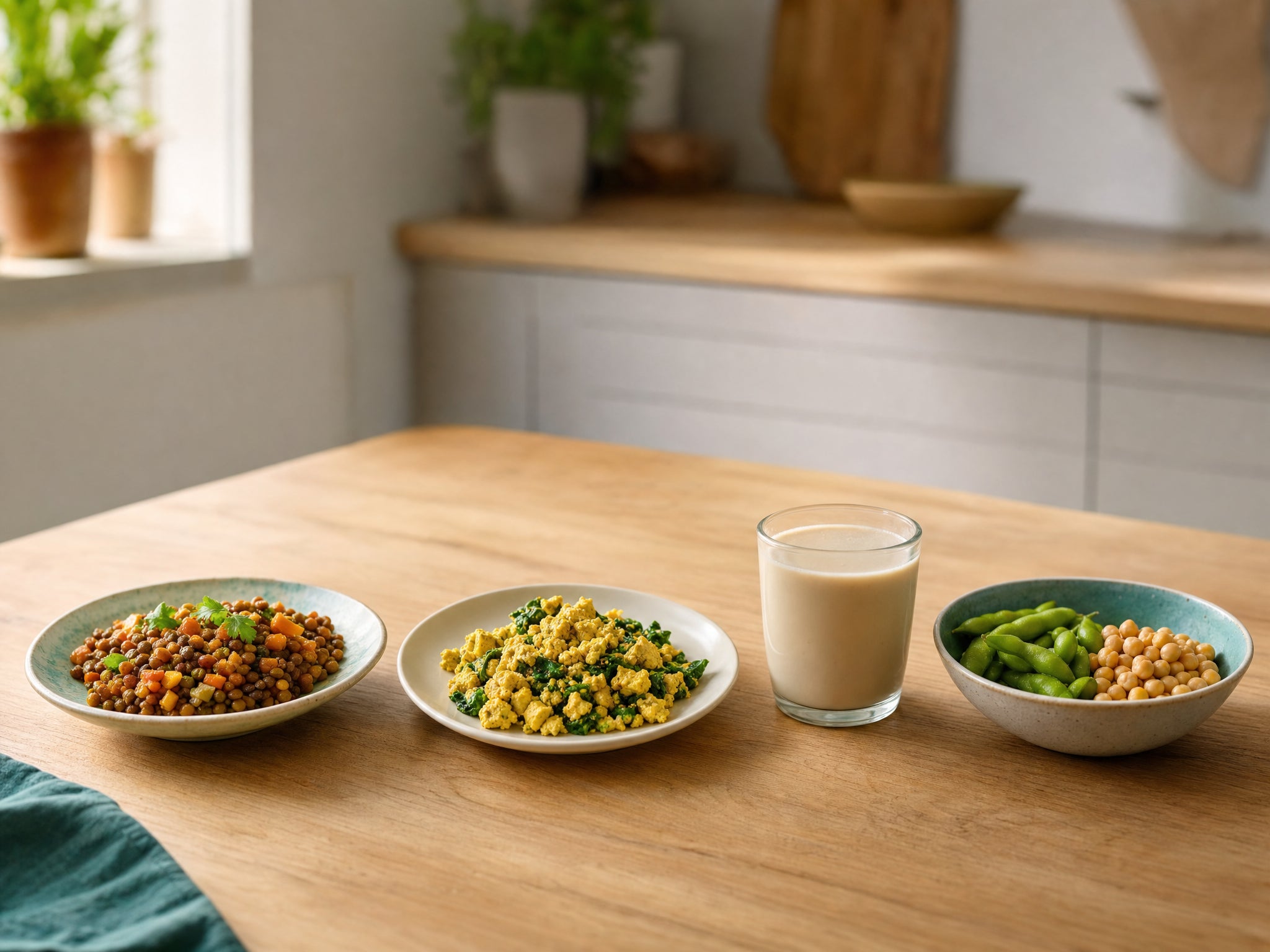
Protein-Mahlzeiten auf einem Küchentisch: Hülsenfrüchte, Tofu und ein Proteinshake auf hellem Hintergrund
  • by Florian Schäfer

How Much Protein Do You Actually Need? What the Meta-Analyses Show

1.6 g protein per kilogram – that's the number you see everywhere. What meta-analyses with 1,863 participants really show: who the plateau applies to, how to distribute your daily intake, and why age plays a bigger role than most people think.

Read moreabout How Much Protein Do You Actually Need? What the Meta-Analyses Show

Schwarze Hantelstange auf einem Squat-Rack in einem dunklen Gym – Post-Workout-Setting
  • by Florian Schäfer

The Anabolic Window: Bigger Than 30 Minutes – What the Research Really Says

The 30-minute window is a myth. The post-workout window is real – and according to meta-analyses, much bigger than expected. What the research says about timing, dose, and the leucine threshold.

Read moreabout The Anabolic Window: Bigger Than 30 Minutes – What the Research Really Says

Your shake, just the way you like it!

3 varieties. Save in a bundle. 100-day money-back guarantee.

Choose your flavor